The hospitality industry is increasingly moving toward digital and contactless services. Especially in the post-pandemic era, growing demand for flexible check-in and reduced physical contact has encouraged hotels and vacation rentals to rethink traditional front-desk check-in and key card handoffs.
For hospitality operators, going digital is not simply about changing how guests unlock the door. More importantly, it is about simplifying guest self check-in, access management, and daily operations.
Check-in Without Being Tied to the Front Desk
Traditional accommodations usually require front-desk staff or property operators to verify reservations and hand over physical keys or access cards. Late-arriving guests may also require additional staff assistance.
With digital access control, guests can enter their rooms using the access credentials provided before arrival—without waiting for an in-person key handoff.
This is particularly suitable for:
- Vacation rentals and small hotels
- Properties without a 24-hour front desk
- Multi-property operators
- Hospitality businesses looking to introduce contactless check-in
SGUDA: Built-in Wi-Fi for Simpler Access Management
Traditional hotel access control systems may require wiring, additional equipment, and on-site system installation.
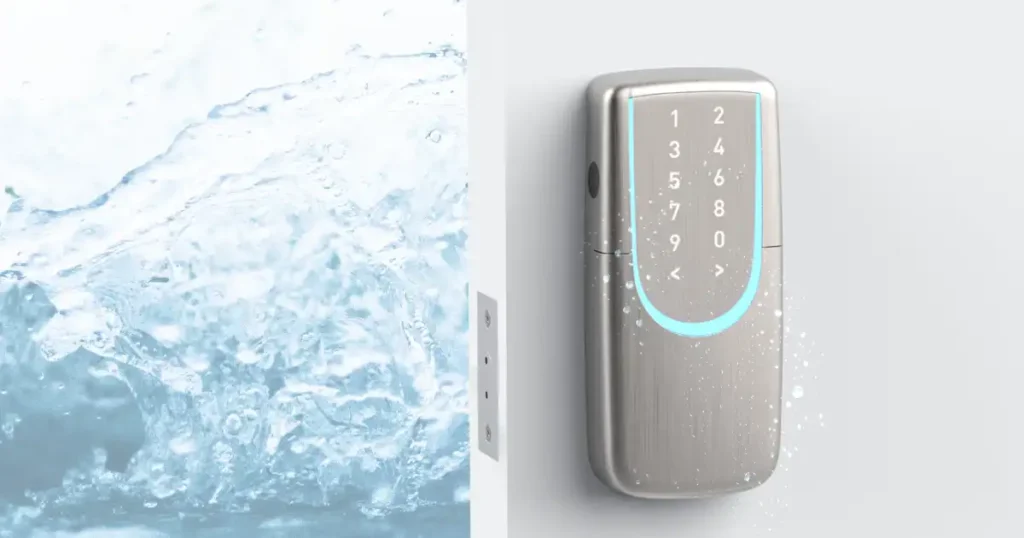
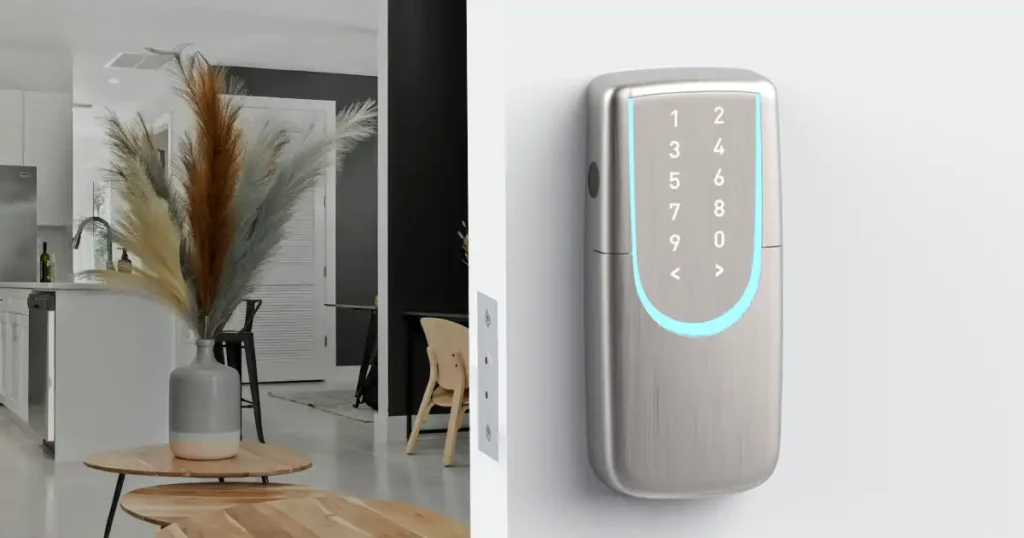
SGUDA smart locks feature built-in Wi-Fi, allowing the locks to connect directly to the network without additional wiring. Combined with a cloud-based architecture, this also reduces the need for operators to build and maintain their own on-site servers.
| Traditional Check-in | With SGUDA |
|---|---|
| Physical key/card handoffs | Digital access management with passcodes provided in advance |
| Hosts need to wait for guests | Guests can check in on their own |
| Difficult to confirm guest arrival | Activity logs provide access records down to the minute |
| Additional wiring may be required | Built-in Wi-Fi, no additional wiring required |
| Multiple properties are difficult to manage | Centralized management through the SGUDA App |
| Build and maintain your own system | Cloud-based architecture for simpler management |
From “Handing Over Keys” to Managing Guest Access
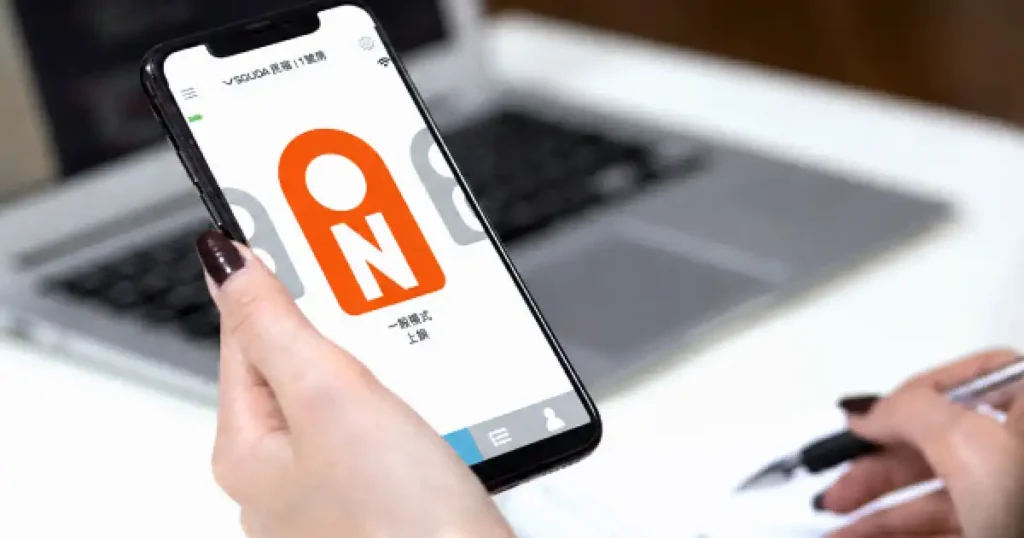
After a guest makes a reservation, operators can create time-limited access credentials before arrival and provide them to the guest in advance.
When guests arrive, they can access their rooms using the assigned credentials without waiting for an in-person key handoff. Once the authorized stay period ends, the guest’s access automatically expires, eliminating the need to collect physical keys or access cards.
The access process can therefore be simplified to:
Create Access → Send to Guest → Guest Self Check-in → Review Activity Logs → Access Automatically Expires
For hospitality operators, a smart lock changes more than just how a door is unlocked. It digitalizes the key handoff and guest access management process that traditionally requires manual handling.
Integrate with PMS to Connect Reservations and Access Management
When smart locks are used independently, operators still need to create guest access permissions for each reservation.
For hotels and vacation rentals managing more rooms or a higher volume of reservations, the next step is to consider integrating smart locks with a PMS (Property Management System).
If the PMS is already connected to booking platforms such as Booking.com or Agoda, integration possibilities can be evaluated based on the actual system and collaboration requirements, allowing reservation data to connect with the SGUDA access management system.
Conceptually, two previously separate workflows:
Booking Platform → PMS → Reservation Management
and
SGUDA → Room Access Management
can be further integrated into a more streamlined hospitality management workflow, reducing repetitive manual entry of reservation details, room assignments, and guest access permissions.
Simplify Your Operations
with SGUDA
Want to find out whether your PMS can integrate with SGUDA?
API availability, system architecture, and integration requirements vary between PMS platforms. Actual integration options need to be evaluated based on each individual system.
Contact us via LINE and tell us about your current PMS and requirements. We’ll discuss potential system integration and collaboration options that fit your needs.