A home equipped with modern technology and connected devices is what many people imagine when thinking about a smart home.
Lights, speakers, TVs, screens, doors, and even door locks can now be automated or controlled through smart devices.
There are many different types of smart door locks on the market, including electronic deadbolts, keyless smart locks, and touchscreen keypad deadbolts. Choosing the right smart lock for your home requires understanding your existing door and lock first.
Here are five things you should know before choosing and installing a smart door lock:
- Door Lock Types
- Exterior Door Types and Materials
- How to Measure Your Door
- Smart Door Lock Types
- Features of Smart Door Locks
1. Door Lock Types
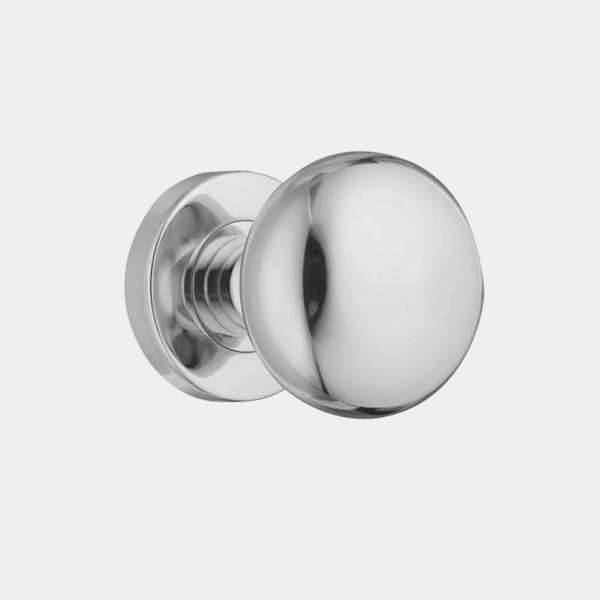
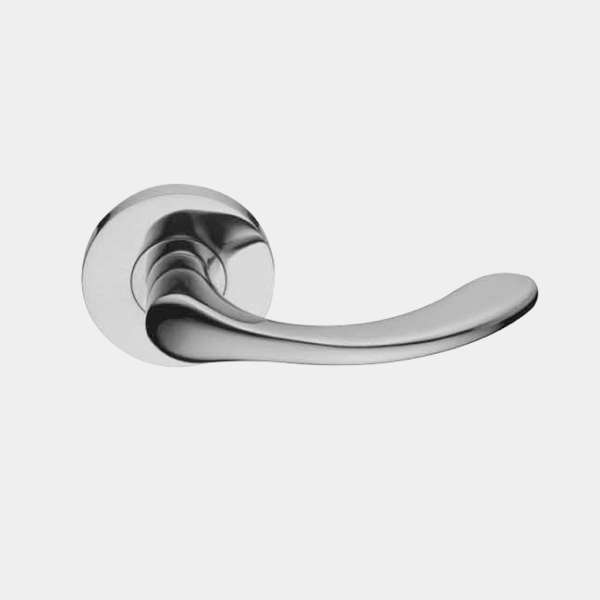
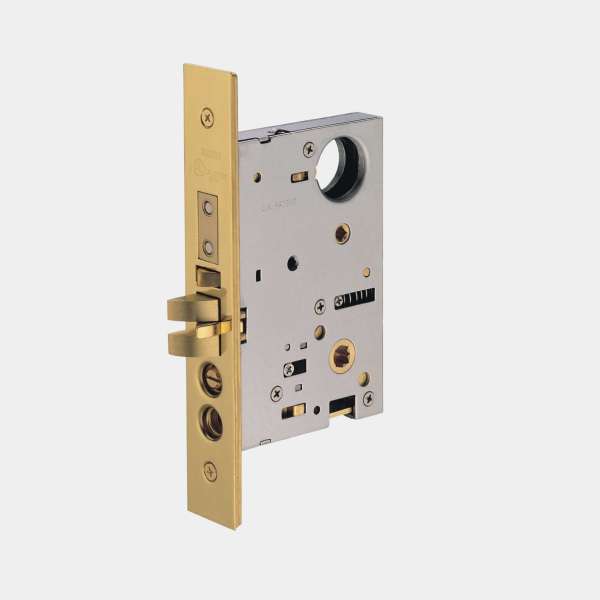
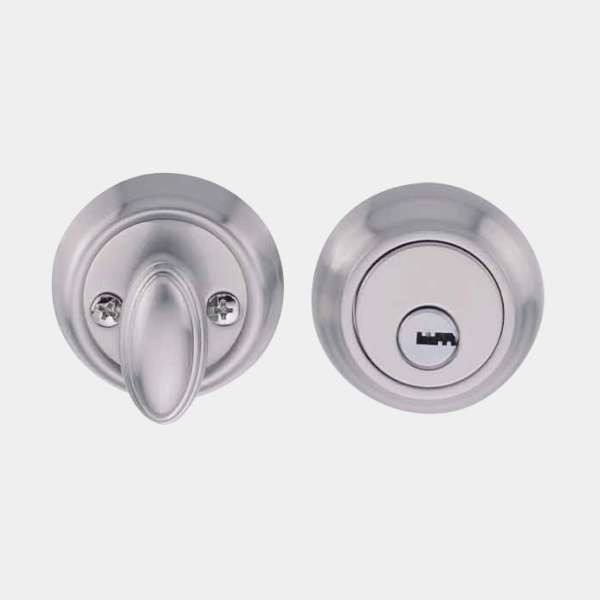
Knob Lock
Knob locks are one of the most common types of locks and are often found on interior doors such as bathrooms and backyard doors.
Because the locking mechanism is located inside the knob, this type of lock can be relatively easy to damage with tools such as a wrench or hammer. Therefore, it is generally not recommended as the primary security lock for an exterior door.
One solution is to add a deadbolt smart lock or replace the knob lock with a smart lever lock.
Lever Handle Lock
Lever handle locks are commonly used on interior doors and are easy to grasp and operate.
Smart lever locks and deadbolt smart door locks may be suitable options for doors using this type of hardware.
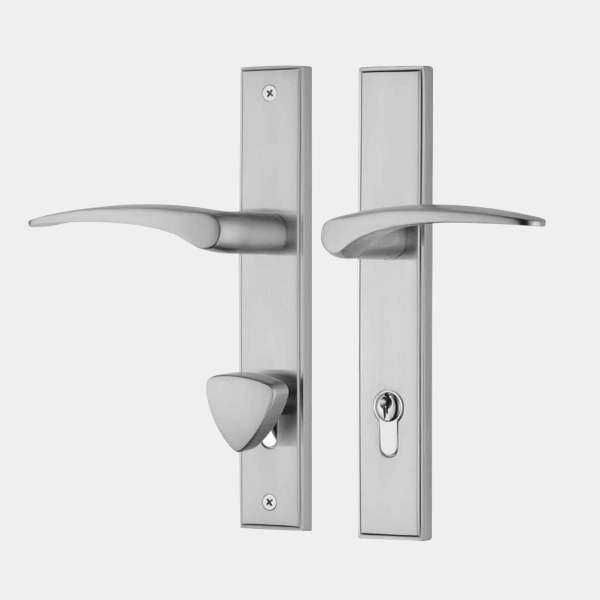
Mortise Lock
A mortise lock is installed inside a pocket, known as a mortise, cut into the edge of the door.
Because the lock body is installed inside the door itself, replacing or upgrading a mortise lock usually requires checking the existing door dimensions and lock specifications.
Deadbolt Door Lock
Deadbolt locks are among the easiest types to upgrade to a smart lock.
For homeowners interested in DIY installation, many smart deadbolts are designed to use existing deadbolt holes and include quick installation instructions.
Cylinder Locks
There are several types of cylinder locks, including rim cylinders, mortise cylinders, and European cylinders.
Depending on the existing door configuration, a deadbolt smart lock may be suitable for this type of installation.
2. Exterior Door Types and Materials
Before purchasing an electronic door lock or smart keypad lock, make sure your door material and construction are compatible with the smart lock.
Common exterior door types include:
- Panel doors
- Double-leaf wooden doors
- Storm doors
- Windowed doors
Common exterior door materials include:
- Steel
- Wood
- Fiberglass
- Aluminum
3. How to Measure Your Door
The following measurements were originally provided to determine whether a door was compatible with the SGUDA U-Lock touchscreen smart deadbolt.
A. Door Width
Measure from the edge of the door.
The available door surface should be more than 10 cm wide.
B. Door Thickness
Door thickness should be greater than 1⅜ inches.
C. Latch Dimensions
Measure the width and length of the existing latch.
D. Distance Between Main Door and Exterior Gate
If there is another gate or security door outside the main door, the gap between the two doors should be greater than 4 inches.
E. Deadbolt Installation Measurements
For SGUDA U-Lock installation, check:
- Backset
- Door thickness
- Latch dimensions
- Required deadbolt hole position
4. Smart Door Lock Types
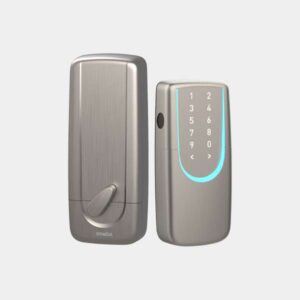
Deadbolt
A smart deadbolt is one of the easiest types of smart locks to install.
If your door already has a traditional deadbolt, upgrading is relatively simple because the existing hole can often be reused.
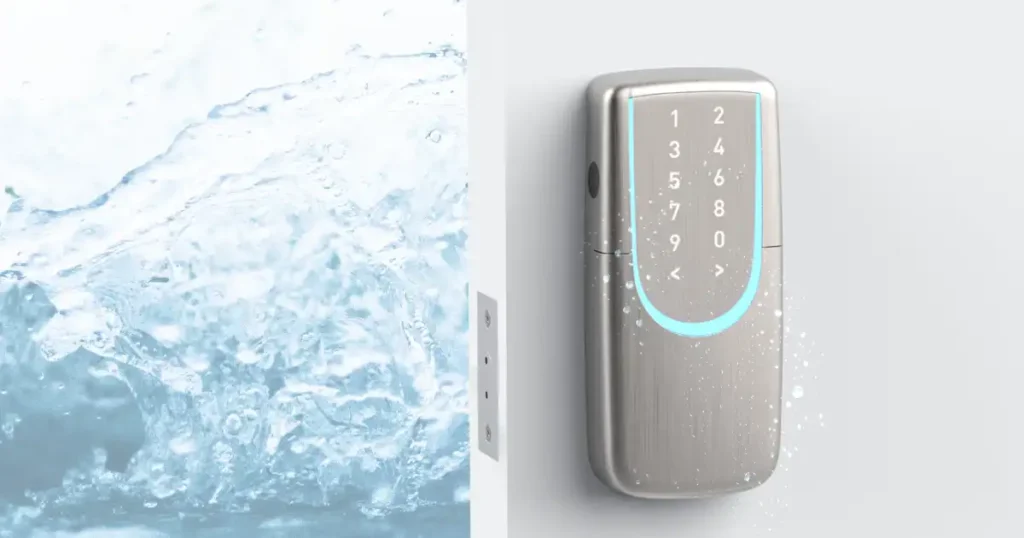
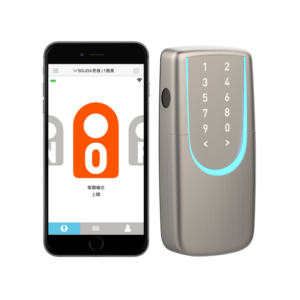
Example: SGUDA U-Lock smart deadbolt door lock.
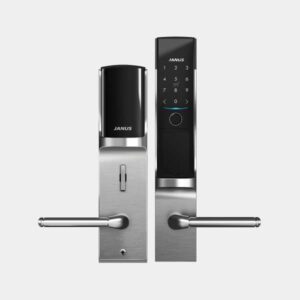
Lever
Smart lever locks are suitable for replacing traditional lever locks or knob locks.
In many cases, no additional hole needs to be drilled during installation.
Mortise
Mortise smart locks are commonly used when replacing or upgrading an existing mortise lock system.
Because mortise systems vary considerably in size and construction, compatibility with the existing door and lock body should be confirmed before installation.
5. Features of Smart Door Locks
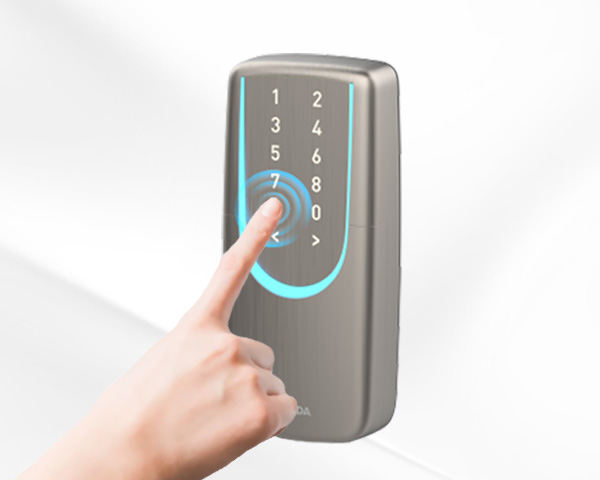
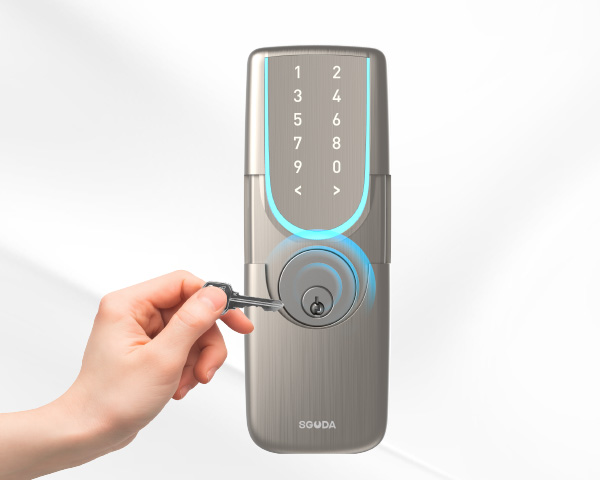
Smart locks offer different levels of security, functions, and entry methods depending on the product and user’s requirements.
They can generally be divided into three levels:
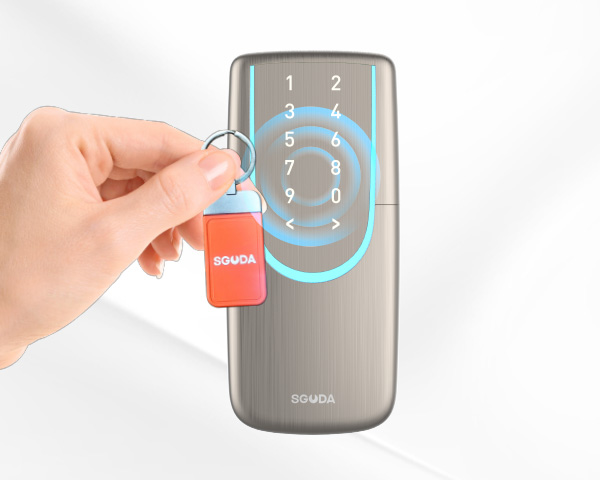
A. Basic
Common entry methods include:
- Key card
- Passcode
- Mechanical key
B. Intermediate
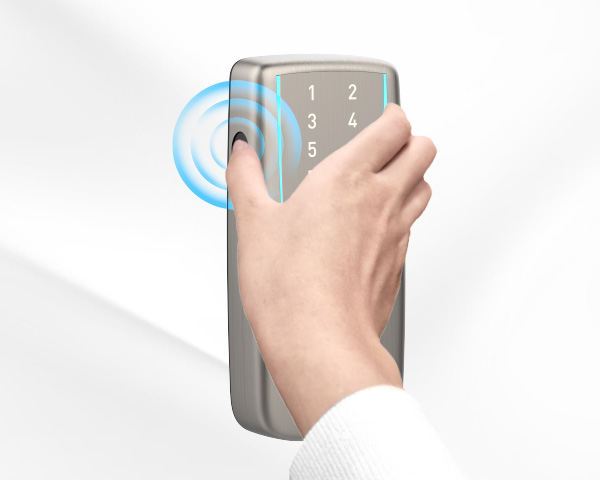
Additional entry methods may include:
- Key card
- Passcode
- Mechanical key
- Bluetooth
- Fingerprint
C. Advanced
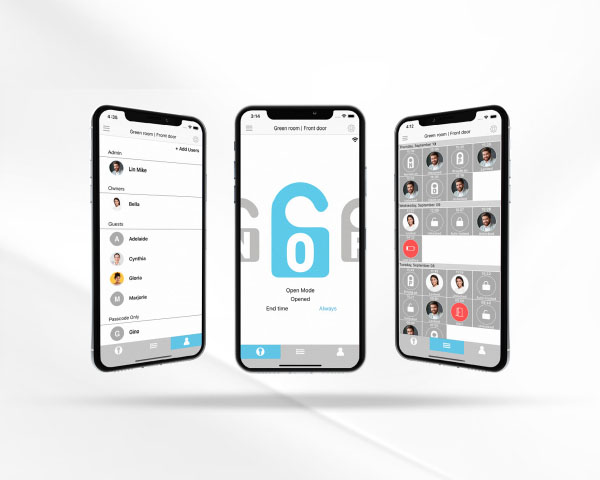
Advanced connected smart locks may provide:
- Built-in Wi-Fi
- Activity logs
- Remote lock and unlock
- User access management
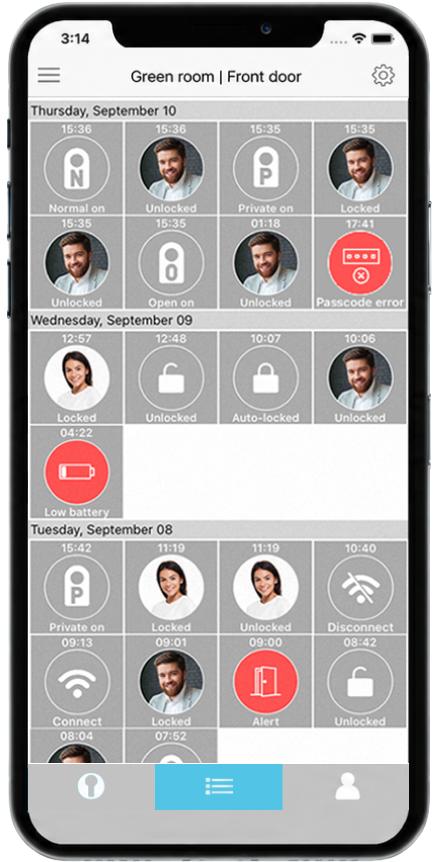
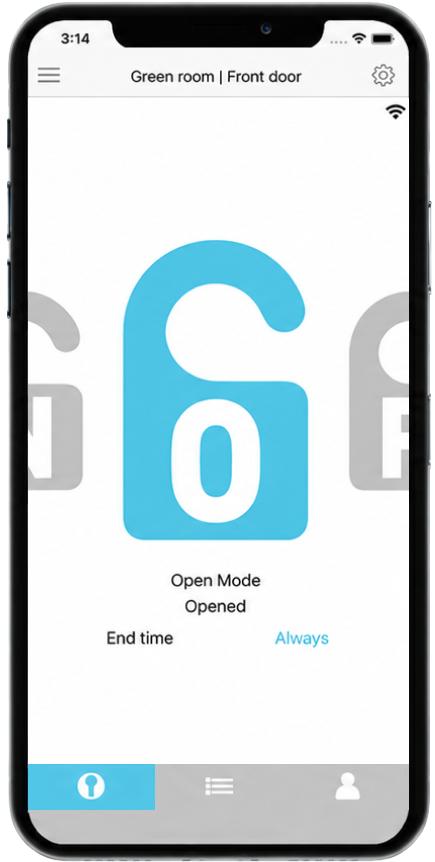
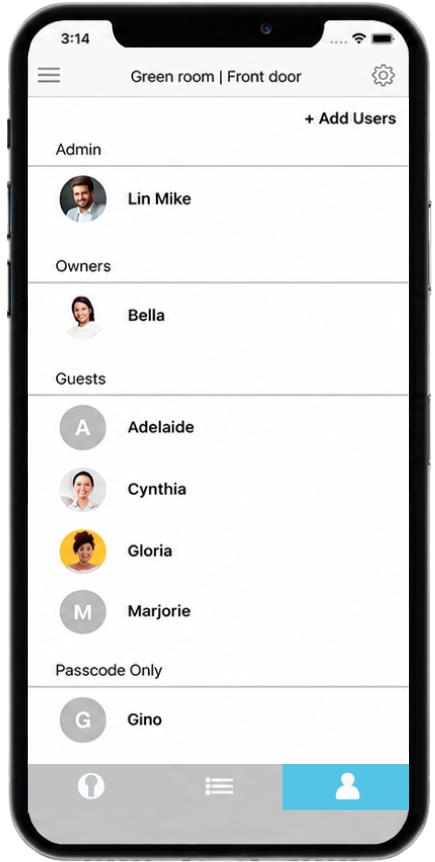
These features allow users to manage their doors remotely and monitor access through a connected smart lock system.
Get to know our products
SGUDA App|Fingerprint|Learn More..
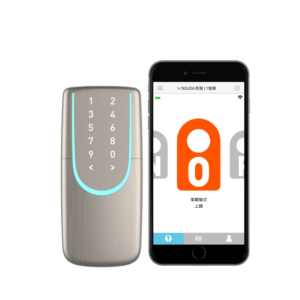
SGUDA App|passcode|Learn More..