A smart lock can be packed with advanced technology and designed to look futuristic.
But truly good design is not simply about making a product attractive or filling it with as many features as possible. It is about bringing form, interaction, and real-world needs together naturally.
This is the principle SGUDA values when developing smart locks:
Form Follows Function.
A door lock is something we interact with every day. From entering a PIN and pressing a handle to checking the lock status, every seemingly simple action is influenced by product design.
That is why design should begin with how people actually use the product. Form should emerge naturally from function, rather than being decorated with unnecessary elements after development is complete.
“Form Follows Function” Is About Solving Problems, Not Decoration
The phrase “Form Follows Function” was introduced by architect Louis Sullivan. Its central idea can be summarized simply:
A product’s form should not exist merely for decoration. It should reflect what the product is designed to do.
At SGUDA, we also identify with architect Frank Lloyd Wright’s interpretation of this philosophy:
“Form follows function—that has been misunderstood. Form and function should be one, joined in a spiritual union.”
Frank Lloyd Wright
In other words, form and function should not be treated as separate elements. They should work together as one complete design.
The same philosophy applies to smart locks.
At its core, a smart lock is a practical tool. Its aesthetics should not be an added layer of decoration, but a natural result of engineering, ergonomics, and everyday usability working together.
From the arrangement of internal components and the selection of materials and finishes to the restraint of notification sounds, every detail should respond to how people actually use the product.
A Poor Example
A lock may look impressive, but an overly decorative housing could interfere with your fingers when gripping or pressing the handle. Likewise, adding feature after feature can result in a bulky lock with complicated controls that are rarely used.
A Better Approach
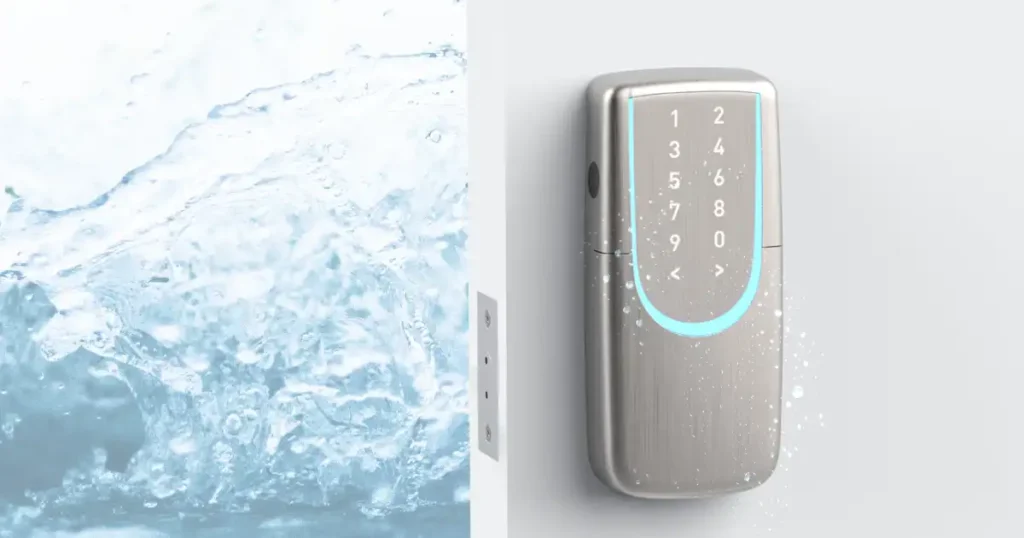
SGUDA combines minimalist design with practical technology.
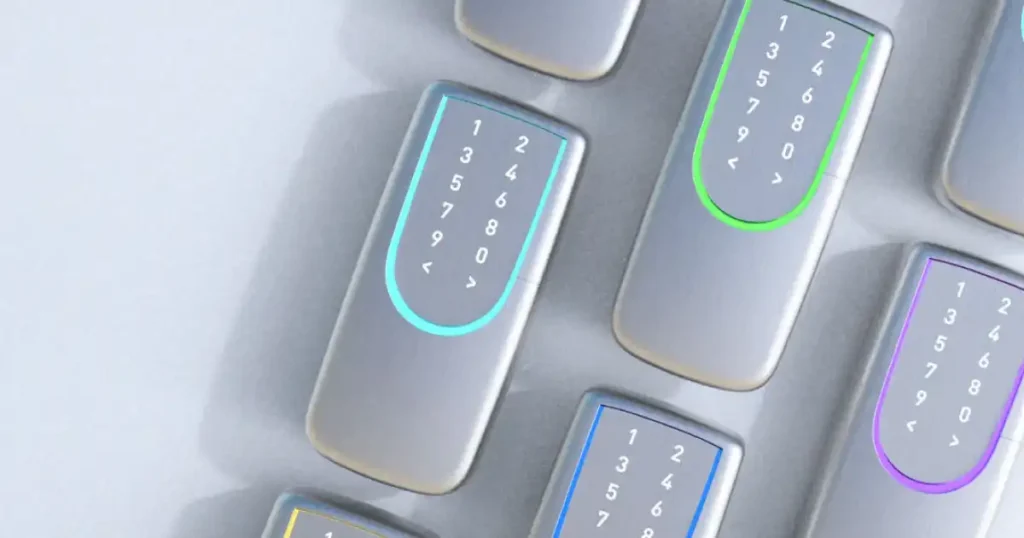
As a smart deadbolt, the proportions, panel angles, and interaction areas are designed with ergonomics in mind, making everyday actions such as entering a PIN or scanning a fingerprint feel natural and comfortable.
Unnecessary complexity is removed so users can choose the model that best fits their lifestyle—keeping the technology they actually need without paying for redundant features they may never use.
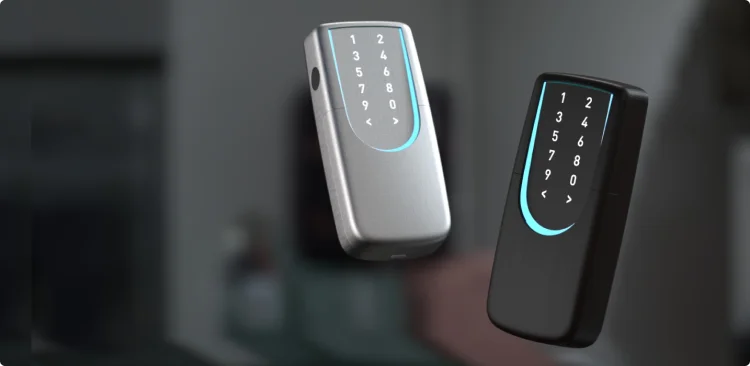
A Smart Lock Is More Than an Electronic Device
Unlike ordinary consumer electronics, a smart lock does more than house chips, batteries, sensors, and mechanical components.
It must also withstand the repeated opening, closing, pulling, and physical interaction of everyday use.
That means smart lock design needs to consider several factors at the same time:
- Durability of the mechanical structure
- Stability of electronic components
- Ergonomics and user interface
- Compatibility with different doors and interior environments
Form and function are not two separate design challenges. They need to be considered together from the very beginning of product development.
More Features Don’t Always Mean Better Design
Smart locks can offer an impressive range of features.
But if every additional feature adds another button, menu, or complicated step, the product can quickly become cumbersome and difficult to use.
Throughout product development, SGUDA focuses on one key question:
“How can this feature become a natural part of the way people open a door?”
Good technology should feel intuitive. It should work quietly in the background rather than constantly demanding attention.
Design Starts with Real-World Use
The same type of smart lock can be installed in completely different environments:
- Homes: Family members of different ages may use the door repeatedly every day, making intuitive operation and durability especially important.
- Offices: Multiple employees and regular working hours create a greater need for efficient access permissions and entry management.
- Rentals and hospitality: Guests change frequently, making digital access management and reliable backup options more important.
Understanding who will use the lock, how often they will use it, and what problems they need to solve helps determine which features truly belong in the product.
Take two SGUDA models as an example.
The SU-FP6, designed with office environments in mind, expands its access options to include fingerprint and RFID card unlocking, making repeated daily access more efficient for regular employees.
The SU-W6, designed with rentals and short-term stays in mind, takes a more streamlined approach. It focuses on straightforward access methods that temporary guests can use with minimal learning.
Instead of simply adding more specifications, each product is designed around the needs of the space and the people using it.
European Industrial Design × Taiwanese Lockmaking Craftsmanship
SGUDA product design does not begin with electronics alone.
We combine decades of Taiwanese lockmaking and precision manufacturing experience with European industrial design expertise, bringing mechanical engineering and contemporary user experience together.
From the angle of a handle and the proportions of a keypad to the interaction between internal mechanical components, every detail has a reason behind it.
Because a well-designed lock should do more than make a strong first impression.
Even after years of everyday use, it should still feel natural and intuitive.
Good Design Naturally Becomes Part of the Space
Technology products can quickly begin to look outdated, but a well-made lock may remain on your door for many years.
SGUDA does not rely on excessive styling simply to make a product look “high-tech.”
Instead, we let form serve function and function respond to real-world needs, allowing the lock to become a natural part of the space—and part of the way you come home every day.
That is SGUDA’s interpretation of Form Follows Function.